Discover how Oxford’s researchers are tackling the world’s most pressing biodiversity challenges, sharing inspiring stories of innovation, collaboration, and lasting global impact that connect science with conservation action.
Find out more and register your place online or in-person here
Sophus zu Ermgassen, University of Oxford Global leaders have committed to halting and reversing the ongoing degradation of nature within the next few decades. But with tight public budgets, governments around the world are looking towards nature markets as one way to attract more private investment into nature. Nature markets are systems for measuring an […]
Alice Stuart, Postdoctoral Researcher at the Leverhulme Centre for Nature Recovery explores some of the work being carried out within the CBA Reimagining Nature Finance fellowship to understand financial flows to nature. How much finance is flowing in service of life? This feels like it should be a relatively straightforward question, and an important one, […]
22nd Jan – Brigid Hains and Richard Fisher Science communication that makes sense. In this session, two experienced editors from the digital magazine Aeon will share advice and insights on how to develop, pitch and write long-form science essays for a general, global audience. Aeon’s mission is to explore and communicate knowledge that helps us make […]
The Leverhulme Centre for Nature Recovery is interested in promoting a wide variety of views and opinions on nature recovery from researchers and practitioners. If you are interested in writing for us please email us at naturerecovery@ouce.ox.ac.uk. The views, opinions and positions expressed within this guest blog post are those of the author alone, they […]
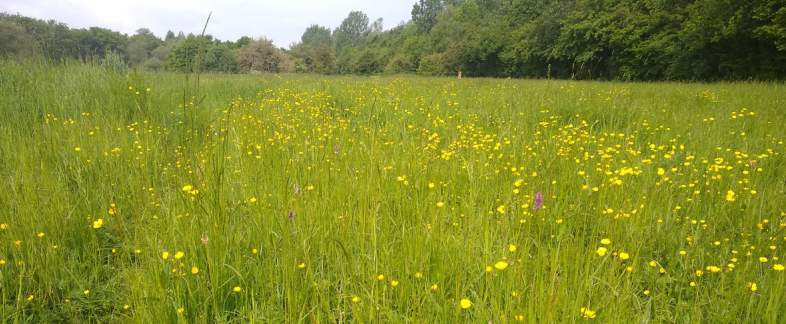
Meadows Buglife: Managing urban areas for pollinators Buglife: Management of wildflower-rich grasslands for insects Plantlife: Meadow hub Plantlife: No Mow May Monmouthshire County Council ‘Nature isn’t Neat’ initiative (part of the Gwent Green Grid) Biodiversity Wales: Planting for Pollinators Wild Oxfordshire: Community Resources page. Includes signs to download (“Please don’t mow…”) Long Mead’s Thames Valley […]
Why do we need to change the way we manage urban grass? Although uniformly short grass used to be seen as a sign of good management, people now are becoming more aware of the value of nature and the need for more nature-friendly management techniques. Frequent mowing removes flowers that provide nectar for bees and […]
As Tasso Leventis Professor of Biodiversity, I work broadly on ways to make humanity’s relationship to nature more sustainable. That’s why I was so proud to be a part of the process that led to the University committing to biodiversity net gain by 2035, one of the two high-level goals of the Environmental Sustainability Strategy (alongside net […]
Organisations making their catering more sustainable can make genuine positive contributions, though it will take extremely ambitious action to come close to fully mitigating biodiversity loss. A study published in Nature Food showed how Lady Margaret Hall (LMH), a college at the University of Oxford, can develop a bold roadmap for delivering reduced biodiversity impacts from their […]
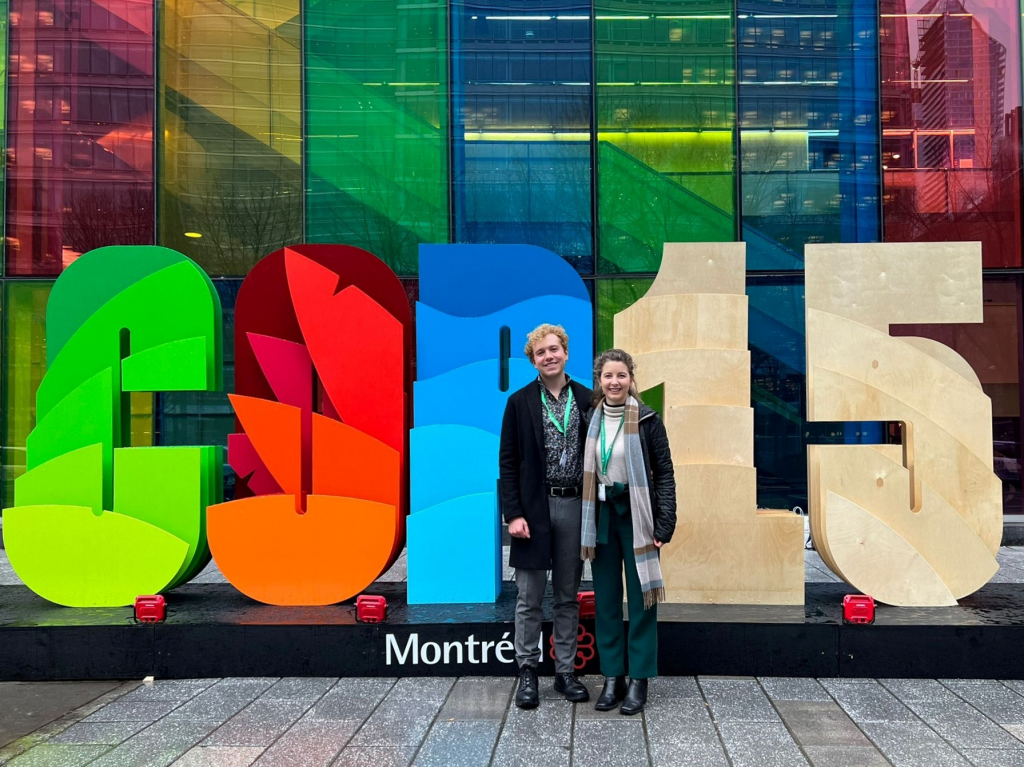
This week, the much anticipated 15th Conference of Parties (COP15) to the Convention on Biological Diversity (CBD) kicks off in Montreal and will run to 19 December. This is an opportunity for the global community to come together to discuss urgent issues related to the protection of nature and its biodiversity. The primary purpose of the conference […]
Social and environmental challenges are deeply interwoven. Responding to overlapping concerns about climate change, biodiversity loss and inequality is not merely a scientific or technical enterprise, but also a deeply political, economic, moral and social endeavour Generating fair and effective responses requires a bridging and blending of different academic disciplines. This booklet outlines some recent […]
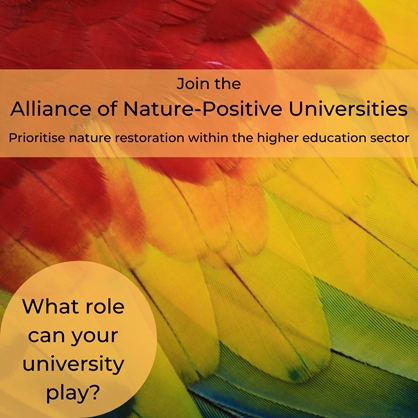
UNEP and the University of Oxford are launching a global network of Nature Positive Universities in order to prompt the prioritization of nature and its restoration within the higher education sector; in their operations and supply chains, on campuses and within the cities where they operate. This network will form a major contribution to the […]
The living world is not a sideshow in the climate debate. Our climate benefits from a healthy and flourishing biosphere, just as ecosystems and the diversity of living organisms depend on climate. We have all seen images of distressed animals and devastated regions affected by flooding, fire and rising temperatures. They show real decline in […]
Research shows that further climate warming and biodiversity loss are now unavoidable but that we still have time to make a lasting difference: i.e. to keep warming below dangerous levels, stop further depletion of the diversity of life on Earth and make the world a better and just place for all. In 2021 the international […]
Biodiversity is the basis of life on Earth and the root of human existence. The complex synergy between plants, animals, earth and air underpins everything people do, and in turn, everything people do can impact biodiversity. As university-based researchers, we are interested in understanding the complexity of biodiversity, but also pooling evidence, expertise and experience […]
Art can be an effective way of communicating scientific research. It can connect people from different backgrounds, stimulate discussion, and produce knowledge and understanding. Moving beyond the written word can make research more accessible and help scientists to think about the key messages and meaning of their work. Incorporating visual methods into research design can […]