Discover how Oxford’s researchers are tackling the world’s most pressing biodiversity challenges, sharing inspiring stories of innovation, collaboration, and lasting global impact that connect science with conservation action.
In honour of journalist Dom Philips and indigenista Bruno Pereira, a gathering of Indigenous leaders, human rights and environmental defenders, researchers, and practitioners came together on Earth Day to celebrate their lives and build hope for ‘How to Save the Amazon.’ The newly launched paperback version of the book ‘How to Save the Amazon’ uncovers […]
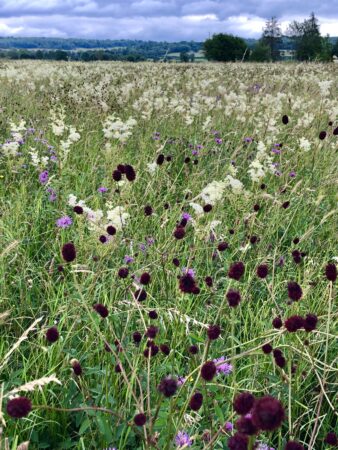
Yadvinder Malhi shares his rediscovery of nature at the local level Like many, I have found solace and refuge in local nature over this year of pandemic and lockdown. When able to escape from Zoom calls and cabin fever, I’ve wandered and exercised in my local floodplain meadow of the Thames. I’ve used books and […]
Oxford researchers have found that plant resilience depends more on year-to-year survival than on growth or reproduction, with fluctuations in water availability emerging as the strongest environmental driver. A University of Oxford study has answered a deceptively simple question: what makes some plant populations more resilient than others to year-to-year environmental change? The answer surprised […]
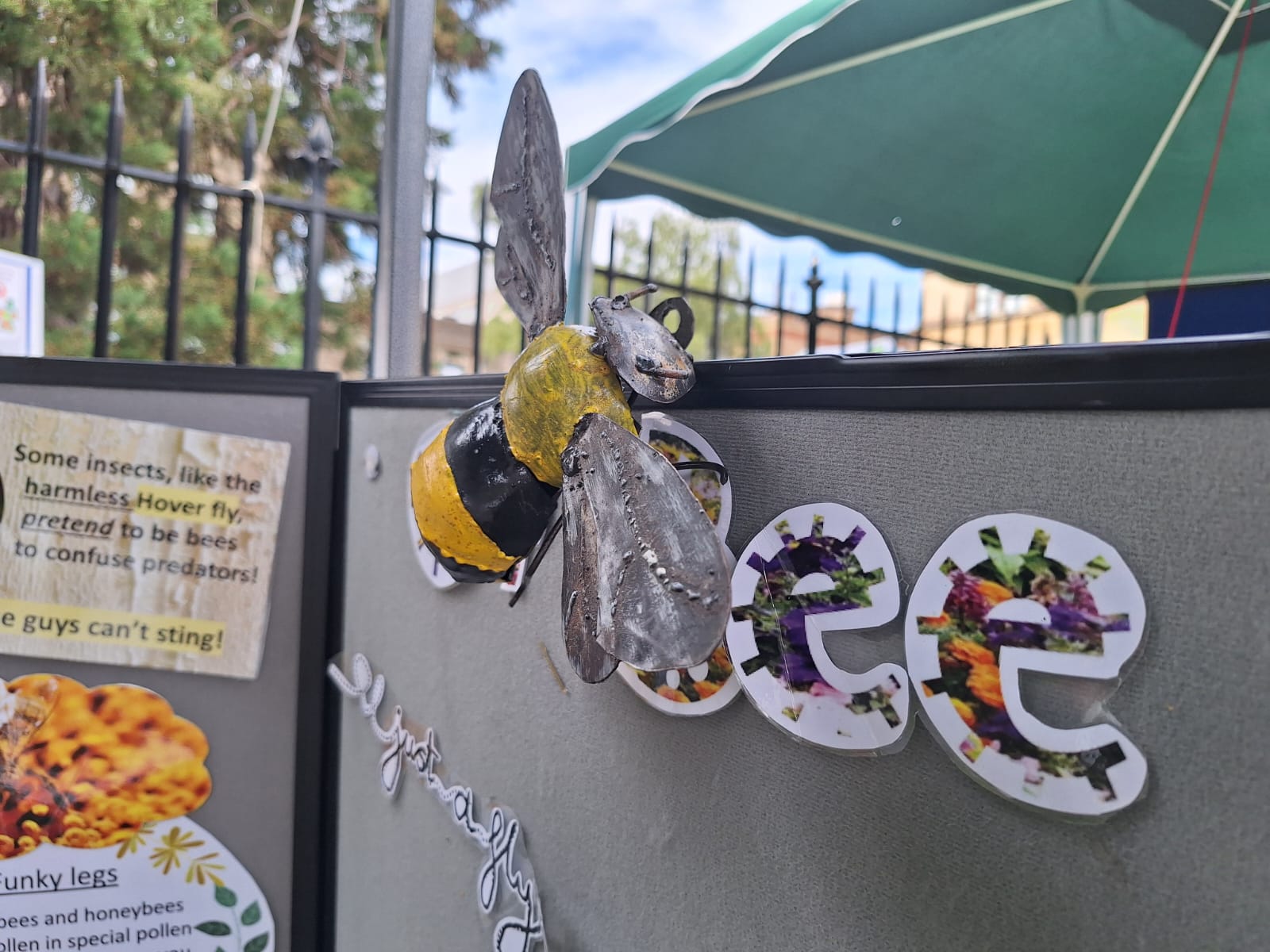
Celebrating a Remarkable Nature Festival 2026. On Saturday 27 June, as Oxfordshire experienced one of the hottest days of the year, hundreds of people came together for something worth celebrating: a festival that connected people with nature, with each other and with the inspiring work taking place to protect our environment. Despite the heatwave, The […]
Sam Hampton, University of Oxford and Steve Westlake, University of Bath Extreme heat has become one of sport’s toughest opponents. This summer’s Fifa World Cup has once again raised concerns about players competing in dangerous temperatures. But football is far from alone. Tennis players have battled through extreme heat at Grand Slam tournaments. Marathon races […]
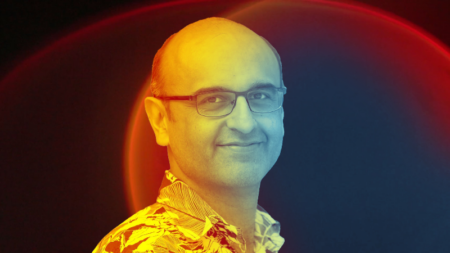
Human prosperity depends on nature, but no global metric has captured this with precision. Enter the Nature Relationship Index Yadvinder Malhi has written an article for Aeon magazine, presenting a new metric which asks not only how wealthy or healthy societies are, but what kinds of landscapes, cities and planetary relationships their prosperity produces. […]
The problem with the accountability gap Researchers identified 180 large transnational ‘keystone’ corporations across multiple sectors with significant environmental impacts and disproportionate influence over the biosphere. Although 79% had made some form of biodiversity pledge, only 13% reported sufficiently detailed, transparent, and specific (robust) commitments1 to allow others to assess if targets have been […]
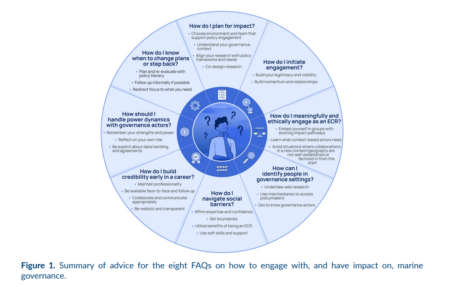
Early career researchers are often really keen to ensure that their work has policy impact, but don’t know where to start. This new piece led by Denis Karcher is aimed at marine researchers, but its lessons are general. It’s full of useful advice from people who’ve worked at the policy-science interface for decades, including Chris […]
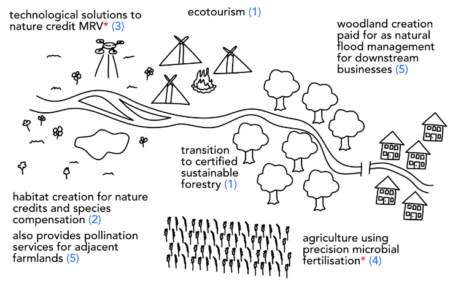
It feels like the central question of the nature finance, & business and biodiversity paradigm is: can you make money in a way that improves biodiversity? I spent the last 5 yrs on this, mostly from a critical perspective. In our new preprint, “Business Models for Biodiversity,” we’ve assembled some of the world’s best academics […]
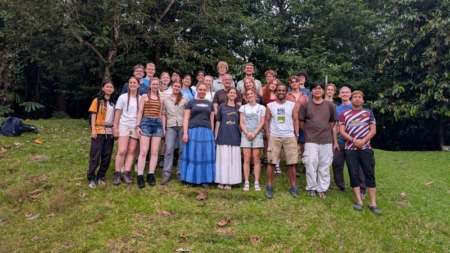
In this guest blog, undergraduate student Bethan Sheldon reflects on her two-week field course in the Danum Valley, Malaysian Borneo, and how immersive fieldwork deepened her understanding of rainforest ecology, biodiversity, and conservation. Waking up on our first morning in the Danum Valley, we saw a young orangutan high in the canopy above the road […]
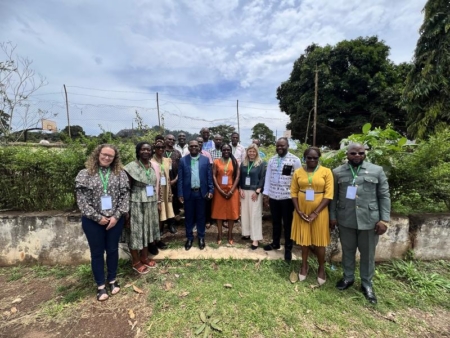
Conservation challenges cannot be solved by any one organisation, discipline, or sector working alone. Addressing the complex issues such as wild meat and wildlife trade in Central Africa requires researchers, policymakers, practitioners, and local communities to work together. Effective facilitation is what turns these diverse perspectives into meaningful dialogue and collective action. With this in […]
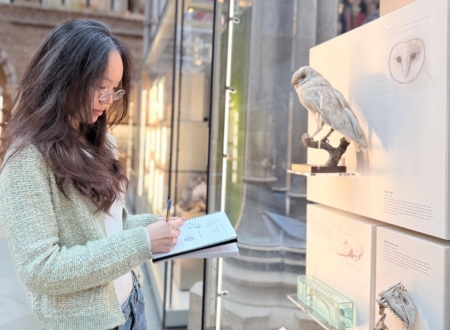
The University of Oxford has a long history of the observational recording of nature, in part due to a collection of botanical specimens and illustrations, known as the Oxford University Herbaria. Liliana Rezende, from the Oxford University’s Smith School reflects on how drawing and documenting nature can help preserve memories, deepen our connection with nature, […]
We are delighted to congratulate Professor Yadvinder Malhi, Director of the Leverhulme Centre for Nature Recovery, on being recognised in the academic category in the ENDS Power List 2026, which recognises the UK’s most influential and impactful environmental professionals. The annual list celebrates individuals who have made a significant contribution to environmental science, policy and […]
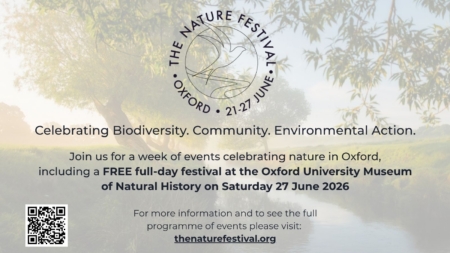
Oxford’s Nature Festival will bring together researchers, artists, community groups, environmental organisations and families for a week of public events celebrating nature, biodiversity and environmental action across Oxfordshire. Events will run from 21–27 June 2026, culminating in a free, full-day festival at the Oxford University Museum of Natural History on Saturday, 27 June. The Festival is being […]
Did you know that only 0.001% of the deep ocean has been visually observed, even though it constitutes two-thirds of the planet? DPhil student Sheena Talma features on the Planet Visionaries podcast to talk about the ocean, and her fascinating research.