Discover how Oxford’s researchers are tackling the world’s most pressing biodiversity challenges, sharing inspiring stories of innovation, collaboration, and lasting global impact that connect science with conservation action.
In honour of journalist Dom Philips and indigenista Bruno Pereira, a gathering of Indigenous leaders, human rights and environmental defenders, researchers, and practitioners came together on Earth Day to celebrate their lives and build hope for ‘How to Save the Amazon.’ The newly launched paperback version of the book ‘How to Save the Amazon’ uncovers […]
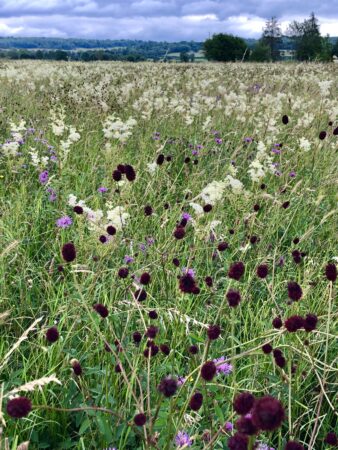
Yadvinder Malhi shares his rediscovery of nature at the local level Like many, I have found solace and refuge in local nature over this year of pandemic and lockdown. When able to escape from Zoom calls and cabin fever, I’ve wandered and exercised in my local floodplain meadow of the Thames. I’ve used books and […]
Oxford researchers have found that plant resilience depends more on year-to-year survival than on growth or reproduction, with fluctuations in water availability emerging as the strongest environmental driver. A University of Oxford study has answered a deceptively simple question: what makes some plant populations more resilient than others to year-to-year environmental change? The answer surprised […]
Celebrating a Remarkable Nature Festival 2026. On Saturday 27 June, as Oxfordshire experienced one of the hottest days of the year, hundreds of people came together for something worth celebrating: a festival that connected people with nature, with each other and with the inspiring work taking place to protect our environment. Despite the heatwave, The […]
22nd Jan – Brigid Hains and Richard Fisher Science communication that makes sense. In this session, two experienced editors from the digital magazine Aeon will share advice and insights on how to develop, pitch and write long-form science essays for a general, global audience. Aeon’s mission is to explore and communicate knowledge that helps us make […]
Diogo Veríssimo, University of Oxford and Sally Sinclair, University of Kent Environmental crime is big business, often listed among the world’s top five criminal activities, just behind counterfeiting and drug crime. So it would be reasonable to think it is a big priority for global law enforcement. But our new research suggests this is not […]
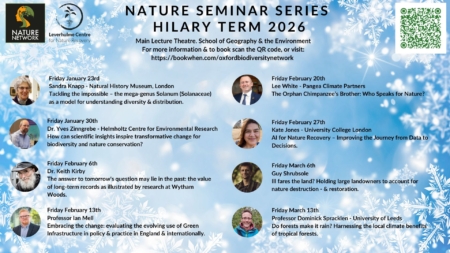
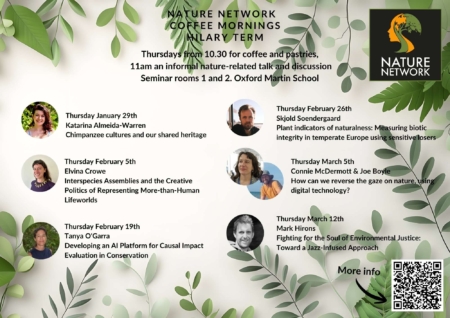
Register to attend this event here
On Saturday 27 June 2026, we’re holding a festival celebrating nature, community, creativity, and discovery, right in the heart of Oxford. Events will take place at the Oxford University Museum of Natural History, the Schwarzman Centre for the Humanities, and outside in nearby green spaces. Across the University, and throughout Oxfordshire more widely, there is so […]
Sign up to join us here
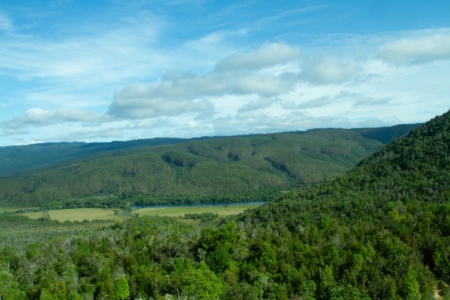
Researchers from Oxford’s Environmental Change Institute have developed a new way to assess the resilience of South America’s temperate forests — identifying where ecosystems are most likely to withstand environmental change, and where they may be most vulnerable. The study, led by Xiongjie Deng, ECI PhD student, and published in the International Journal of Applied […]
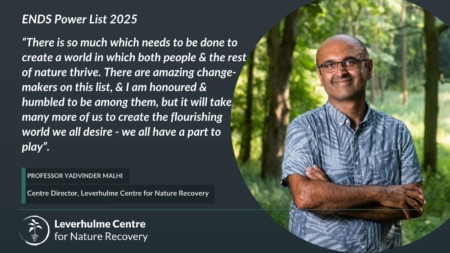
Congratulations to our colleague Yadvinder Malhi, Centre Director of the Leverhulme Centre for Nature Recovery, Professor of Ecosystem Science at the Environmental Change Institute, School of Geography and the Environment, and Senior Research Fellow at Oriel College, for appearing on the ENDS Power List for the second year running! A supporter of Yadvinder’s describes him as […]
Congratulations to Natalie Duffus for being recognised on the 2024 the Ends Power List as an unsung hero! Asked to qualify Natalie Duffus’s contribution to the UK environmental sector, a nominator describes her as “a powerhouse in increasing public awareness around the ecological impacts of biodiversity net gain, and how to improve the policy both […]
Written by Dr Cecilia Dahlsjӧ. A sea of wildflowers glistens in the morning dew, their petals slowly unfurling as they awaken from the stillness of the night. The sun warms the wings of hungry pollinators whose hum signals the start of a new day. What if these wildflowers weren’t the familiar faces of daisies and […]
By Dr Sophie Lund Rasmussen (Dr Hedgehog), WildCRU, Department of Biology Biodiversity is vanishing before our eyes. It is important to monitor biodiversity loss to optimise and target the conservation efforts needed to mitigate this situation. But how? By using hedgehog poo of course! During my many nights of fieldwork radio-tracking the charismatic European hedgehogs […]
Written by Nathalie Seddon Nature in the UK appeared to receive a rare funding boost in the June spending review, with the government setting a spending target of up to £2 billion a year for England’s environmental land management (ELM) scheme by 2028-29. By steering public funds toward farmers who restore hedgerows, soils and wetlands, […]
We have just completed two weeks of successful data collection in Caledonian pinewood in the Scottish Highlands. Using passive acoustic monitoring to survey bats and birds, and trialling a method for assessing invertebrates. As often happens with fieldwork, we had a clear reminder that you should always expect the unexpected and be prepared to adapt […]