Discover how Oxford’s researchers are tackling the world’s most pressing biodiversity challenges, sharing inspiring stories of innovation, collaboration, and lasting global impact that connect science with conservation action.

In honour of journalist Dom Philips and indigenista Bruno Pereira, a gathering of Indigenous leaders, human rights and environmental defenders, researchers, and practitioners came together on Earth Day to celebrate their lives and build hope for ‘How to Save the Amazon.’ The newly launched paperback version of the book ‘How to Save the Amazon’ uncovers […]
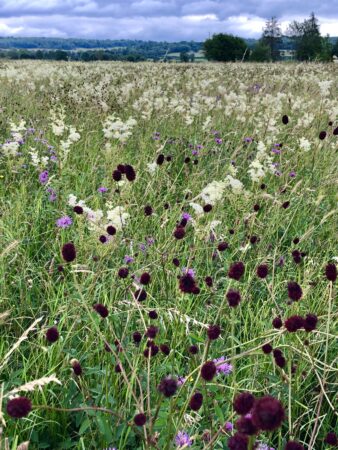
Yadvinder Malhi shares his rediscovery of nature at the local level Like many, I have found solace and refuge in local nature over this year of pandemic and lockdown. When able to escape from Zoom calls and cabin fever, I’ve wandered and exercised in my local floodplain meadow of the Thames. I’ve used books and […]
Oxford researchers have found that plant resilience depends more on year-to-year survival than on growth or reproduction, with fluctuations in water availability emerging as the strongest environmental driver. A University of Oxford study has answered a deceptively simple question: what makes some plant populations more resilient than others to year-to-year environmental change? The answer surprised […]
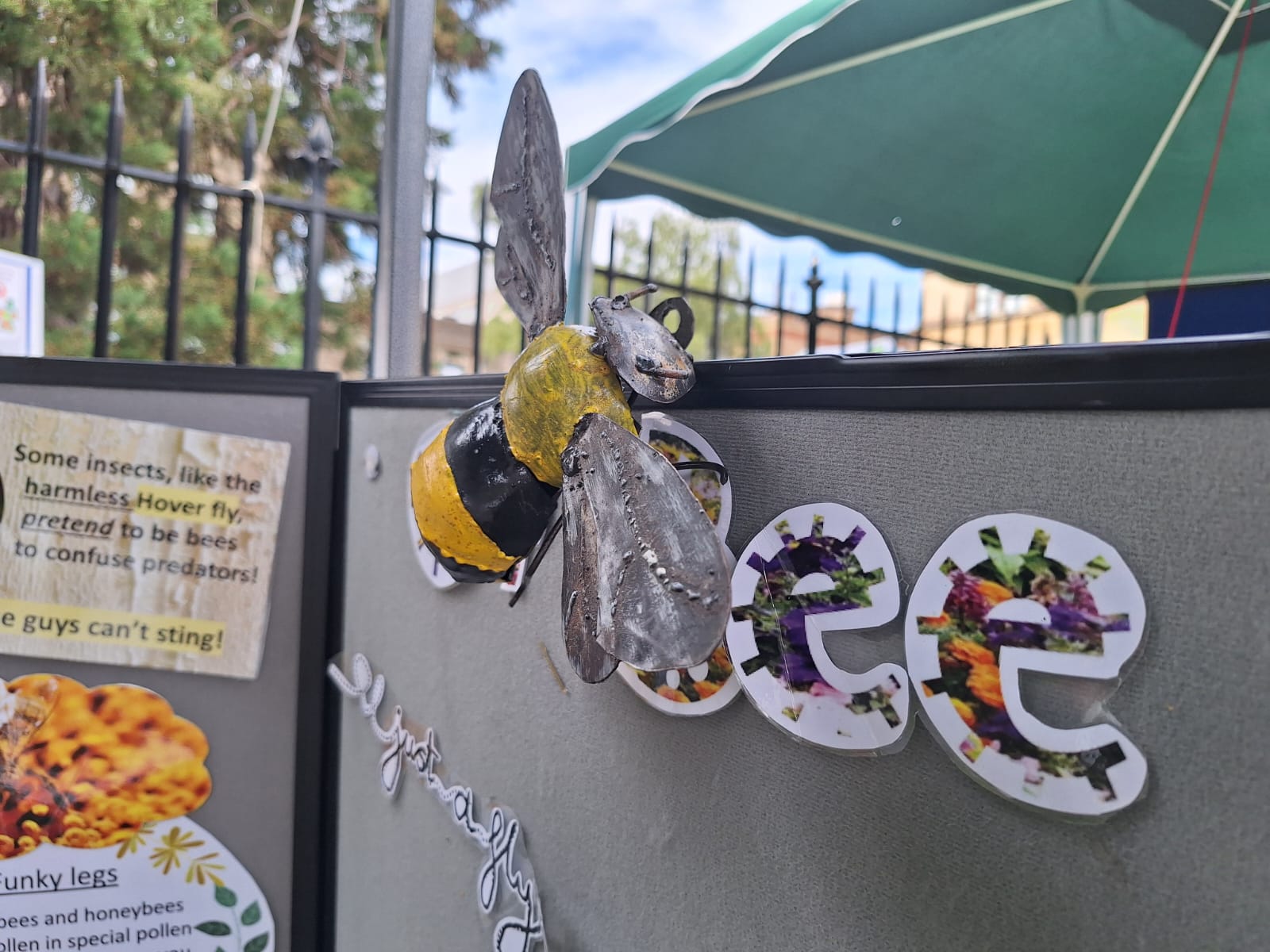
Celebrating a Remarkable Nature Festival 2026. On Saturday 27 June, as Oxfordshire experienced one of the hottest days of the year, hundreds of people came together for something worth celebrating: a festival that connected people with nature, with each other and with the inspiring work taking place to protect our environment. Despite the heatwave, The […]
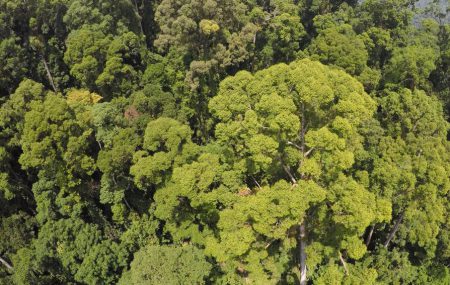
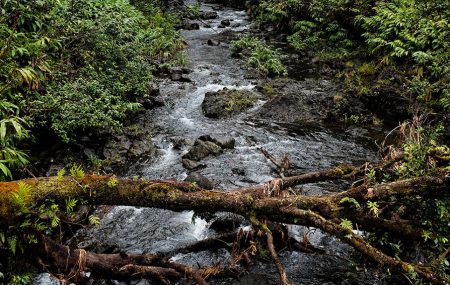
One of the largest ecosystem restoration experiment in the world, the experiment has been going on for almost half a century. It has planted 100,000 trees over more than 5 square kilometres of a remote area of logged forest to investigate how it can be best restored. The project, located in Northern Borneo, Malaysia, studies […]
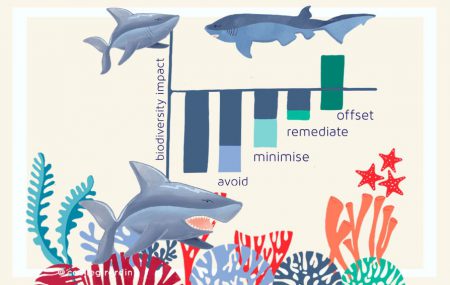
Dr. Henry Grub and Prof. E.J. Milner‐Gulland explain how researchers from the ICCS have developed a new framework to help us frame and account for all impacts humans have on nature – one that can be used by everyone: the 4 steps 4 the earth. It came from the mitigation hierarchy, which is used to […]
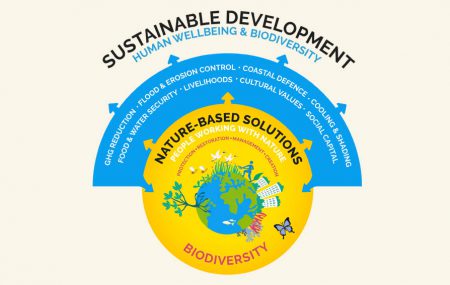
The Nature Based Solutions Initiative’s team explore how Nature-based Solutions can help us build the nature-rich, low-carbon societies of the future. Nature-based solutions (NbS) are ways of tackling societal challenges by working with nature. They typically involve restoration of natural ecosystems, such as forests, peatlands, marshes, grasslands and reefs (Seddon et al. 2019, 2020). But […]
Humanity is facing a climate, biodiversity, and social crisis: keeping global warming below dangerous thresholds & reversing the global decline in biodiversity are the two greatest environmental challenges of our century. We all depend on healthy ecosystems for food, energy, water, and biodiversity. The Paris Agreement, the publication of the IPCC SR 1.5 (2018), and […]
The global pandemic is on all our minds. It is becoming increasingly clear that humanity fundamentally needs to change it’s relationship with nature. The science is clear Protecting biodiversity and letting the wild be wild reduces the risk of zoonotic disease outbreaks. COVID-19 is a zoonotic disease – caused by an infectious pathogen or parasite […]
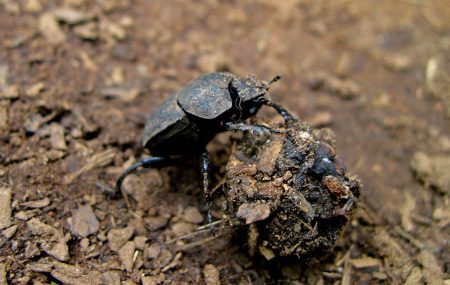
The little things that run the world Invertebrates -animals without a backbone- have been accorded little attention in science, considering how incredibly biodiverse they are and their key role in maintaining the healthy functioning of our ecosystems. 6.1 million species of insects We have an inkling of the global importance of invertebrates but have merely […]
Ecosystems are a big part of the solution to climate change: Agriculture, deforestation, and land degradation contribute to 24{4136d53bac2007e4117f1d8828c187063ea0a85f13bd7ca9434591c56c4e6ea2} of global greenhouse gas emissions (Smith et al., 2014). Restoring our natural world helps mitigate climate change by removing carbon dioxide from the atmosphere (Le Quéré et al., 2018). Protecting, restoring, and better management of ecosystems […]