
When
November 13, 2026 - 4:15pm - 5:30pmWhere
Main Lecture TheatreSchool of Geography and the Environment
Seminar followed by Q&A and drinks – attend in person or join online – all welcome
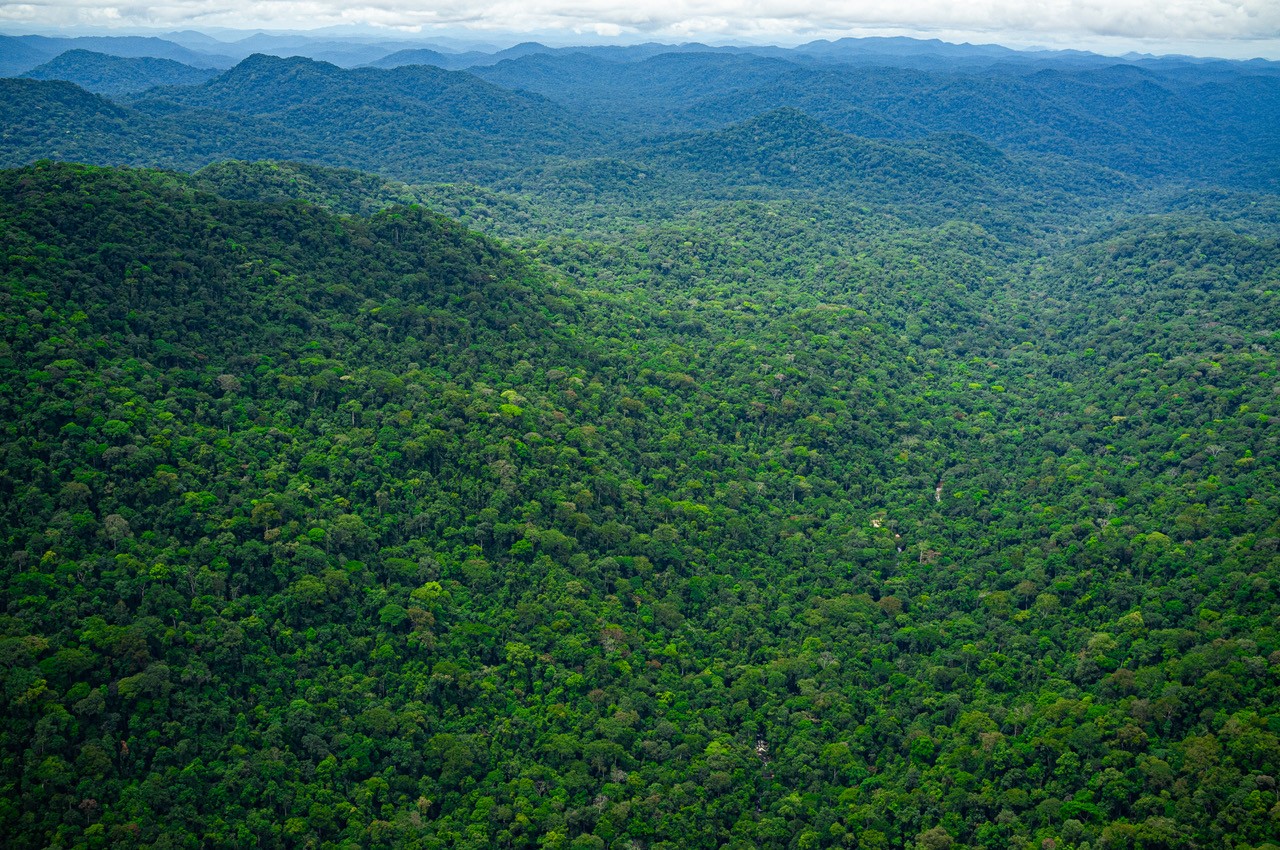
Abstract: Gabon represents one of the longest continuous stories on Earth, from the 2.1 billion year old Francevillian fossils, among the earliest evidence of complex life, to a nation still over 88% forested today, harbouring extraordinary biodiversity while facing profound socio-economic and developmental challenges. This talk follows that evolutionary story to a present conviction: the future of tropical forests will only be secured when sustainable development outperforms extraction.
Drawing on 25 years in Gabon, Josh Ponte examines why fortress conservation continues to fail nature as well as people, and why extractive development fares no better. He asks how nature finance should change to pay against integrated capital reporting. This is presented through a working prototype: the Nyanga BioEconomic Zone, a 730,000 hectare mixed-use conservation and commercial landscape in southern Gabon. The talk sets out the Zone’s management vision and highlights the challenges and gaps in landscape accounting that must be closed if we are to make intact nature more legible to finance. It proposes a system that serves local communities, a nation’s economic ambitions, its political goals and global objectives together.
Biography: Josh Ponte is Head of Sustainability and Chief Strategist at the Grande Mayumba Development Company. He arrived in Gabon in 2001 to live with 16 gorillas, was involved in the establishment of the country’s national parks, served as personal photographer to Gabon’s former President, has worked on films ranging from natural history documentaries to Hollywood blockbusters, and has worked on the country’s environmental finance landscape since 2011. His work sits at the intersection of ecology, climate mitigation, sovereign environmental finance, nature-based capital markets. He is a National Geographic Explorer and public speaker recognised for his work with communities around Gabon’s protected area system and for more than 20 years spent documenting the culture and traditional music of Gabon’s diverse peoples.
The Leverhulme Centre for Nature Recovery and the Nature Network are interested in promoting a wide variety of views and opinions on nature recovery from researchers and practitioners. The views, opinions and positions expressed within this lecture are those of the author alone, they do not purport to reflect the opinions or views of the Leverhulme Centre for Nature Recovery/Nature Network, or its researchers.